What “traditional” and “AI” actually mean in 2026
Let's define terms, because the labels get muddy fast.
Traditional digital illustration means a human artist creates every image — sketching, composing, painting, and refining in tools like Procreate or Photoshop. Every brushstroke is a decision made by a person who has read your manuscript and understands your story.
If you're leaning toward illustrating it yourself, my step-by-step guide to illustrating a children's book walks through the whole process.
AI illustration means using image generation tools — Midjourney, OpenArt, Magnific, and others — to produce artwork from written text prompts or live voice prompts. The human’s illustration role shifts from making the image to directing and selecting it. But I push back on the idea that this makes it less creative: conceiving the artwork, holding a vision of what it might look like before it exists, is as creative an act — perhaps more so — than any other part of image-making. AI doesn't think. It doesn't imagine. Every idea is shaped by human intelligence.
And then there's the hybrid approach, which almost nobody talks about honestly: AI-generated concepts that are then substantially reworked by a human illustrator — repainting faces for consistency, correcting anatomy, adjusting composition, unifying the color story across thirty-two pages. This is where much of my own work lives, and in my experience it's where AI is most useful as a professional tool.
Where traditional illustration still wins, clearly
I want to start here, because as someone who uses AI, I have good working knowledge of its advantages and its challenges.
Character consistency is the heart of a picture book — and one of AI's biggest weakness. A child bonds with a character. If your dog’s ears change shape between page 4 and page 12, a five-year-old may notice before any adult does. Traditional illustrators build character model sheets and hold that consistency effortlessly. AI, left on its own, still struggles with it, although the technology has advanced to the point where it’s possible to create “character models” based on photographs that provide enough data for AI to replicate features accurately and consistency across pages, background scenes. and physical position changes. I was able to create consistent human characters across a full book using this method, but only by combining AI generated-images with additional Photoshop work. And with Adobe’s AI tool, Firefly, now built directly into Photoshop, it’s even easier and more straightforward. Still, it’s not automatic, and anyone who tells you otherwise hasn't shipped a book.
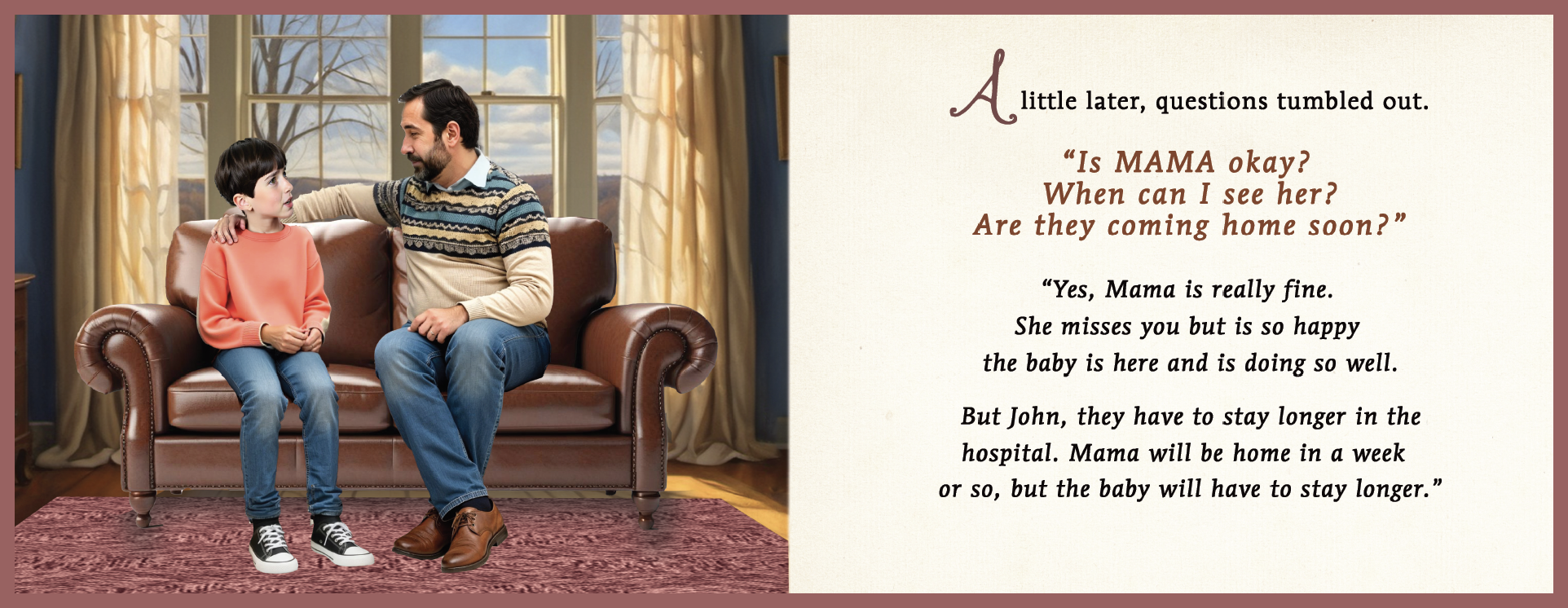
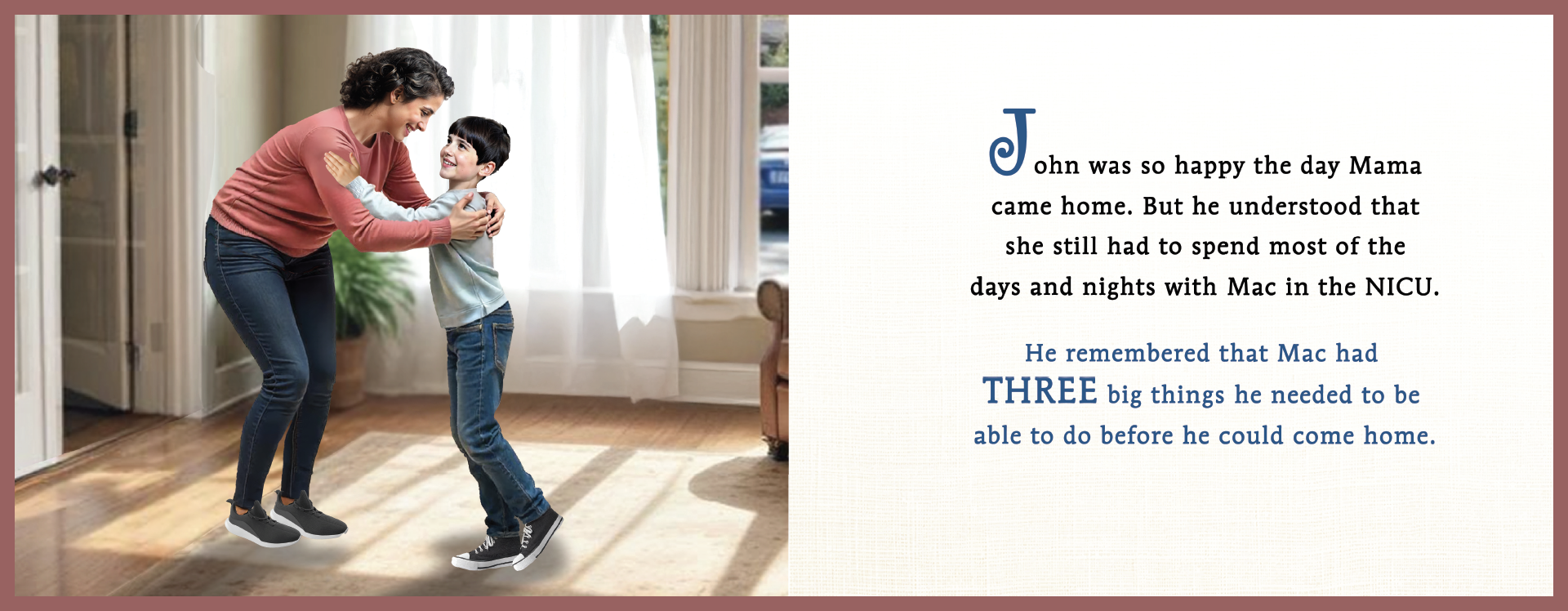
Storytelling decisions live in the details. A beloved picture book illustration isn't just a pretty scene. It's where the character looks, what's hidden in the background for an eager child’s re-read, how the page turn creates suspense. These are narrative choices, and AI doesn't make narrative choices — it makes plausible images. I go into this in more depth — what illustrating a full book actually demands beyond a single pretty image — in [what a decade of illustrating children's books actually taught me]."A human illustrator reads your manuscript and asks, “What is this page really about?” Some AI programs, like OpenArt and Magnific, offer “enhanced prompting” based on your initial character or scene description prompt. An amplified prompt provides more detailed cues regarding scene lighting, camera angles, and artistic or stylistic direction, plus more options. This reinforces my contention that it’s the human, not AI, in charge of image-making.
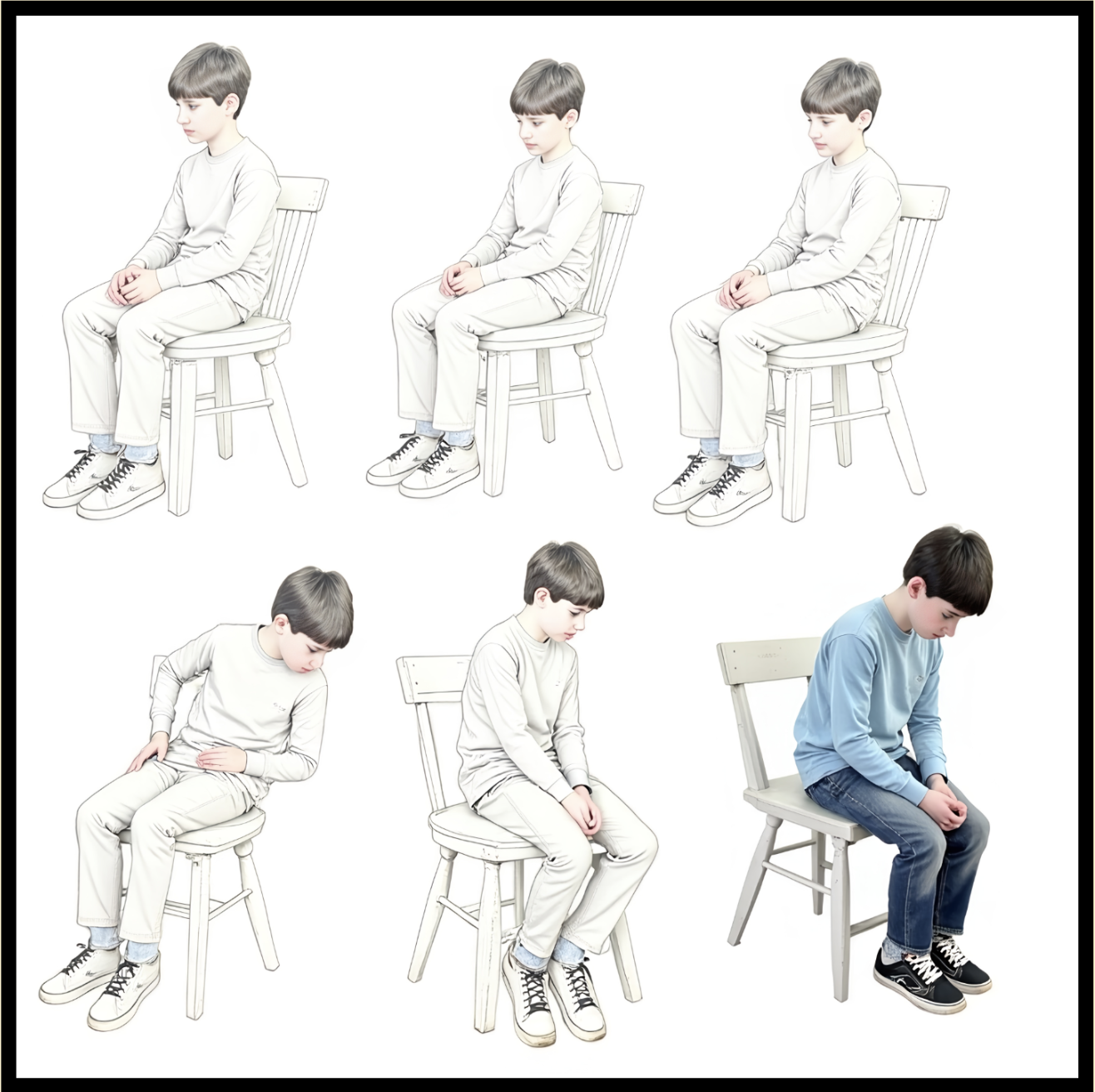
Emotional nuance. AI renders a “happy child” beautifully. It has a much harder time with “child who is pretending to be brave but is a little scared” — which is, of course, exactly the moment your book hinges on. But with persistence, it’s possible to produce just the right expression for any scene or dialogue.
A clean rights story. With a human illustrator under contract, ownership is straightforward. With AI-generated imagery, copyright protection is still limited for the AI-generated elements themselves, and the landscape continues to evolve. If subsidiary rights, translations, or licensing matter to your long-term plans, this deserves real thought.
Where AI genuinely earns its place
Now the other side — because the dismissals can be just as misleading as the hype.
Cost and access. A fully illustrated 32-page picture book from an experienced traditional illustrator typically runs into the thousands — often $3,000 to $10,000 or more, and worth every penny when the fit is right. But not every author has that budget, and I don't believe beautiful books should belong only to authors who do. AI-assisted paths can bring a professionally finished book within reach at a fraction of the cost.
Speed of exploration. Before AI, exploring three different visual styles for a book meant commissioning three sample illustrations. Now an author and I can explore a dozen directions in an afternoon, then commit human craft to the one that sings. AI is a phenomenal sketching partner even when it never touches the final art.
For a real-world example, see how first-time author Kristy Pittman used AI to develop the entire visual world of her series, then handed that blueprint to a human illustrator for the final art: The Making of KERNE.
Authors who want to be the illustrator. This is the possibility that excites me most. Some authors have a visual imagination but not twenty years of drawing skill. With coaching, the right tools, and honest expectations, they can learn to create their own illustrations — genuinely their art direction, their choices, their book. I've watched authors light up doing this in a way that hiring out the work never would have given them.
Revisions without dread. Changing a traditionally illustrated page spread late in the process is often expensive and slow. Hybrid workflows make reasonable revisions far less painful.
The question that matters more than “AI or traditional?”
Here's what I've learned guiding authors through both paths: the real question isn't which technology to use. It's this — who is making the creative decisions about your book?
A traditional illustrator making thoughtful choices will beat unguided AI every time. But a skilled human directing AI, correcting it, painting over it, and holding the story at the center will produce story art that readers — and even award judges — respond to. The failures you've seen online aren't really AI failures. They're the result of no one being in charge of the art.
That's why my AI art philosophy is simple: AI can earn its place in a children’s story with beautifully executed, timeless visuals produced by text and voice prompts. When it does, we disclose it honestly and responsibly. When humans create illustrations that match an author’s imagination — a character's face, an emotional close-up, the cover — they transform art into something no prompt could ever reach: an image with a heartbeat.
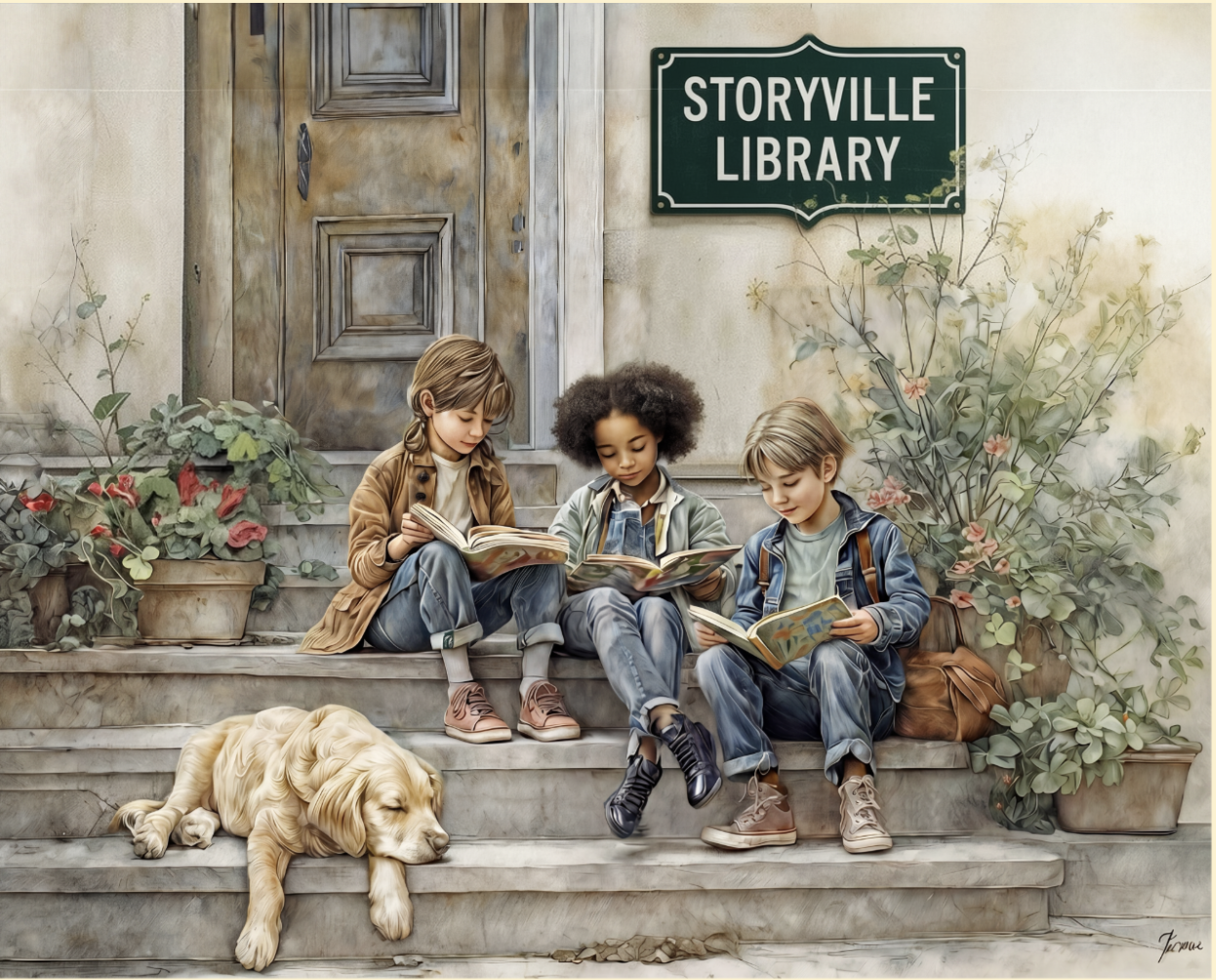
A Hybrid Illustration Example – Before and After

A practical note about awards and disclosure
If you're planning to enter your finished book in contests (and you should — awards move books), know that contest policies on AI-generated artwork vary widely. Some programs accept AI-assisted work with disclosure, some restrict it, and the policies are changing season by season. I've put together a full comparison of the major self-published children's book awards, including how each handles AI, in my guide to children's book award contests — read it before you finalize your illustration approach, not after.
And regardless of contest rules: be honest with your readers. Transparency about how a book was made is becoming a mark of professionalism, not an admission.
So which path is right for your book?
Ask yourself three questions:
What's your budget, honestly? If a full traditional commission is comfortably within reach and you've found an illustrator whose style makes your heart jump — hire them. If it isn't, an AI-assisted or hybrid path can certainly produce a book you're proud of.
How central are your characters? A character-driven story with one child protagonist on every page demands rigorous consistency — which means either a traditional illustrator or a hybrid process with serious human finishing. A concept book (colors, animals, bedtime scenes) is far more forgiving.
Do you want to make the art, or have it made? If part of your dream is creating the illustrations yourself, AI plus coaching may be the most rewarding path you didn't know existed.
There's no single right answer — but there is a right answer for your book, and it usually becomes obvious within one honest conversation.
Let's figure out yours
I offer three illustration paths through my children's book author coaching: fully hand-crafted custom illustration, a hybrid AI-assisted and hand-finished option, and one-on-one AI illustration coaching for authors who want to create their own art. If you're not sure which fits your story and budget, book a free consultation. I'll tell you honestly which path I'd choose for your book, even if it's not the most expensive one.